Final Days: What to Expect and What to Do
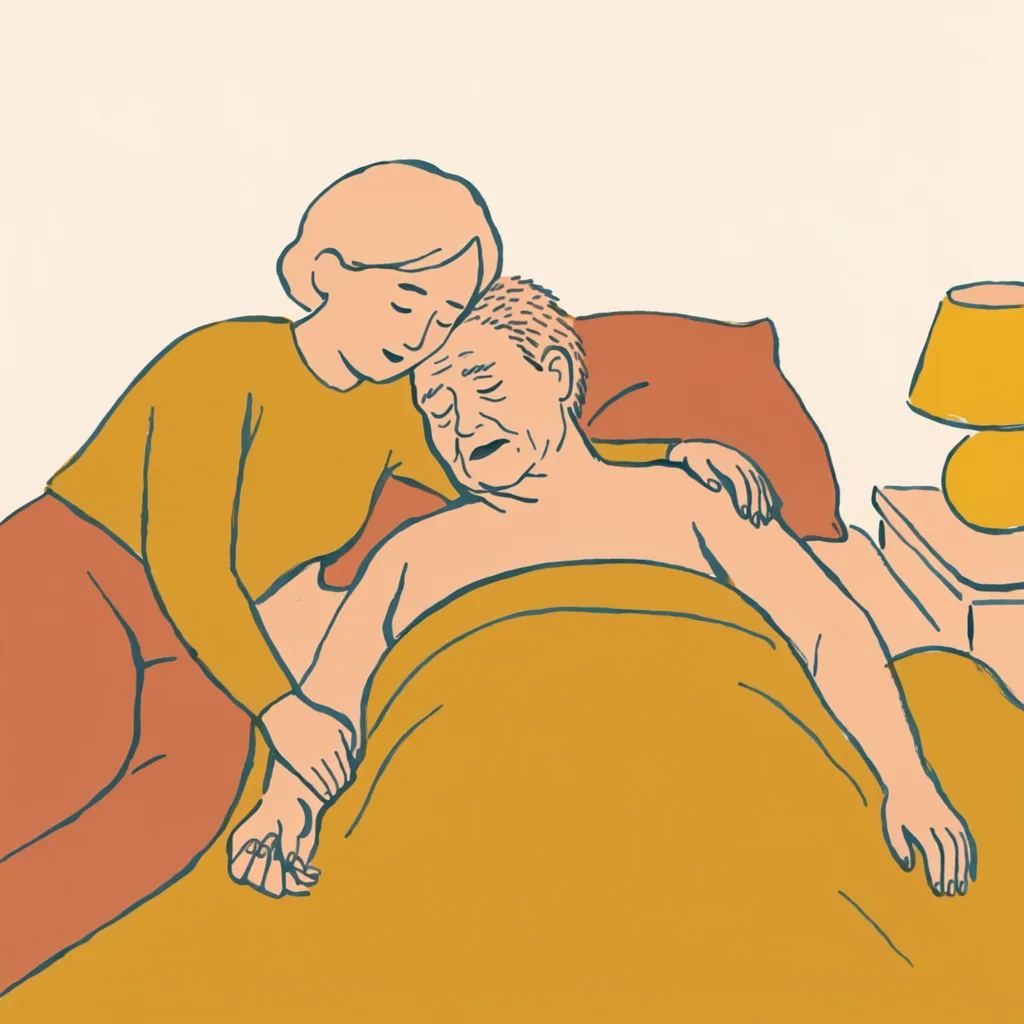
The final days follow patterns that families can prepare for, and preparation is what keeps the bedside calm instead of frantic. This page is what is normal in the final days, what is not, and the practical checklist for the family holding the vigil.
comfort and presence, with the team on call
The final days map
The family's job in the final days is comfort and presence: the medical team handles the treatment, and the family handles the vigil, with a checklist so no one has to think clearly at 3 a.m.
- What is normalMore sleep, less food and drink, restlessness, changed breathingSleeping more, eating and drinking less, restlessness or confusion, and breathing with pauses and shallow breaths are part of the natural process, not emergencies: the hospice guide explains which team watches for the treatable issues.
- What is not normalUncovered pain, distressed breathing, sudden changesNew severe pain the comfort plan is not covering (the team adjusts, and the family should not accept a parent in distress), labored distressed breathing rather than the quiet natural changes, and any sudden change the team has not been told about: always call the hospice or care team first.
- The checklistTeam first, calm room, presenceCall the team first for any question (they are on call 24/7), keep the room calm with soft light and familiar voices and the parent's music, and let one person at a time ask the staff questions.
- The vigilNobody has to think clearly at 3 a.m.The family's presence is the message, the four sentences can be said even if the parent seems unresponsive, and the words guide and grief support are the references the family carries afterward.
The rule, in one sentence: the family's job in the final days is comfort and presence: the medical team handles the treatment, and the family handles the vigil, with a checklist so no one has to think clearly at 3 a.m.
What is normal in the final days
The National Institute on Aging's providing care and comfort at the end of life guidance describes the common patterns: the parent sleeps more, eats and drinks less, may become restless or confused, and breathing may change, with pauses and shallow breaths. These are part of the natural process, not emergencies, and the hospice guide explains which team is watching for the treatable issues.
What is not normal
- New severe pain that the comfort plan is not covering: the team adjusts, and the family should not accept a parent in distress.
- Labored, distressed breathing rather than the quiet changes of the natural process.
- A sudden change the team has not been told about: always call the hospice or care team first.
The family's checklist
- Call the team first for any question. The hospice or palliative team is on call 24/7; the palliative guide covers who they are.
- Keep the room calm. Soft light, familiar voices, the parent's music, and one person at a time asking questions of the staff.
- Say the four sentences. The words guide: thank you, I love you, forgiveness, and it is okay to go. Hearing is often the last sense to fade, so speak in a calm voice even if the parent seems asleep.
- Rotate the vigil. The family that takes shifts protects itself; the task-split and respite rules apply to the bedside too.
- Handle the practicals quietly. The first-24-hours guide is read now, not during, so the family knows who to call and what to have on hand.
The after
When the parent dies, the family follows the first-24-hours checklist, and the grief work begins with the grief support guide. The vigil the family kept matters more than any perfect moment in it.
Related guides
Sources & verification
This page is checked against the standards in our editorial policy, preferring government sources for end-of-life guidance. Reviewed August 2026:
- National Institute on Aging: Providing Care and Comfort at the End of Life (retrieved August 2026)
- National Institute on Aging: End of Life (retrieved August 2026)
Found an error? Report it: we log and correct material mistakes publicly.
Quick answers
Common questions, answered plainly. The details match the sources above.
What is normal in the final days of life?
More sleeping, less eating and drinking, possible restlessness or confusion, and changes in breathing with pauses. These are part of the natural process; the family should call the care team about anything that looks like distress or new severe pain.
What should the family do at the bedside?
Keep the room calm, call the team with any question, say the important words in a calm voice (hearing is often the last sense to go), rotate the vigil so no one burns out, and quietly read the first-24-hours checklist so no one is learning it during the moment.
Found an error? Report it.